
About DZKit
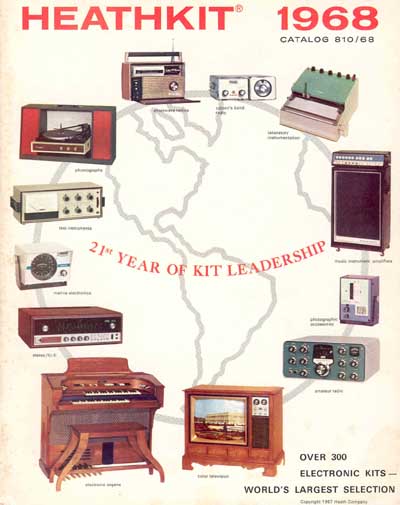
Over the years, one by one, all the great electronic kit manufacturers have disappeared - Eico, Knight, Dynaco, Heath. Perhaps the most devastating for the home electronics enthusiast was the loss of Heathkit®, a mainstay from 1947 to the mid-1980's. Heathkit advertised "World's finest electronic equipment in kit form". Their kits ranged from inexpensive teaching aids to organs, color TVs, AM/FM stereos and tons of amateur radio equipment, much of which is still in use today, over 40 years since it was produced. These were kits that not only taught you something about electronics, they were fun to assemble and sometimes saved you money over comparable store-bought products. With the flood of foreign imports, it became hard to produce kits that could continue to offer a price advantage. Today, electronic products are produced largely in Malaysia, Singapore and China and shipped to the United States. There isn't much labor involved, as automation has replaced human labor, and what labor there is is done at wages far below those of American workers. U.S. companies have had to move manufacturing operations to the Far East just to stay competitive and to take advantage of the extremely low corporate income taxes offered by those countries. The result is a permanent loss of U.S. manufacturing labor.
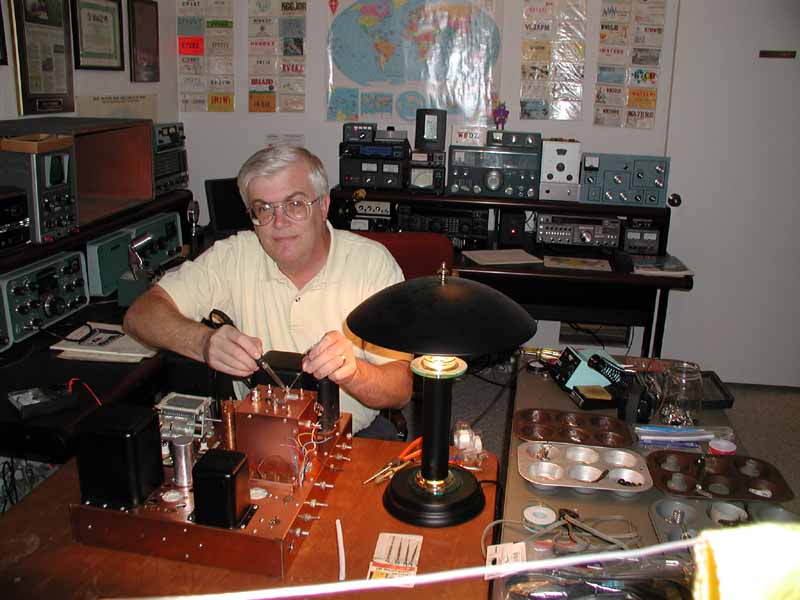
But you can still have fun building an electronic project, learn how it works, and have the pride that comes with knowing you built it yourself. With a DZKit, some of the subassemblies are pre-assembled, because the tiny parts are just too small for a kit builder to assemble. So, you may not get to solder every component in your kit yourself, but you didn't used to fabricate ICs or vacuum tubes either, right? It's not that different. Today the "parts" (like an embedded PC for example) are just bigger and more complicated, that's all.
Brian Wood, W0DZ, a design and application engineer at HP/Agilent, wanted to restore the fun of kitbuilding to a new generation. He knew that there's a huge pent-up demand for new, complex, nice-looking kits that offer value not available elsewhere. To that end, he retired early (by choice, a strange occurrence with all the layoffs in the industry) and formed The DZ Co., LLC, dba "DZKit". Its goal is to allow electronics enthusiasts and others with a passion for learning to have a chance to recapture the fun of doing it yourself while building products with unique features. Look for more exciting products as we get rolling. And be sure to send us your ideas for new products! We'll do our best to provide new kits for you in the finest of Heathkit traditions.
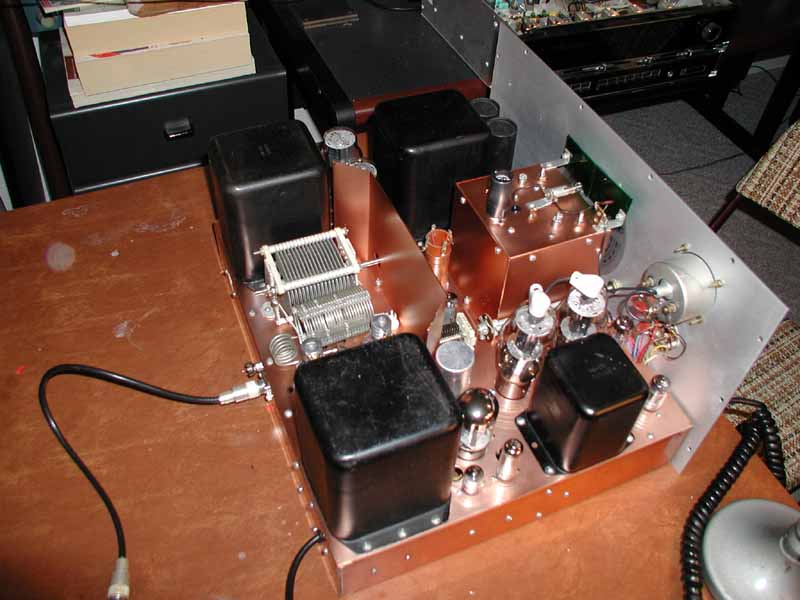
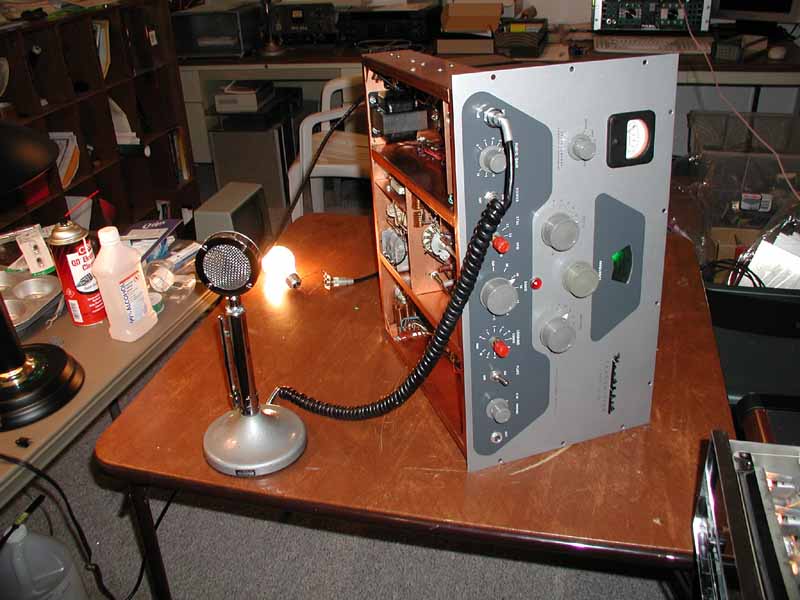
See Brian's QST article from January, 2004 ("The Incredible Saga of a DX-100 Restoration Run Amok!"), in which he describes a complete restoration of a Heathkit DX-100 transmitter! ARRL members can download the article here:
Let's talk about price for a minute. Lots of people are under the mistaken impression that Heathkits always saved you money. But let's do a price comparison from a 1968 issue of QST magazine and the 1968 Heathkit catalog and then factor in inflation:
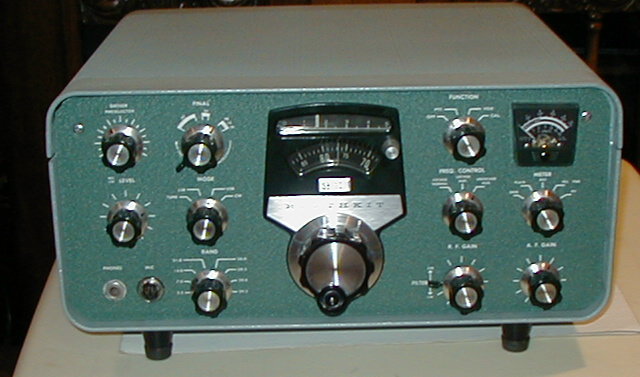
SB-101 80-10 meter transceiver, ham band only, 180W PEP *input power*, no notch,
no NB: $370.00
SBA-301-2 400 Hz CW crystal filter: $20.95
(no pic available)
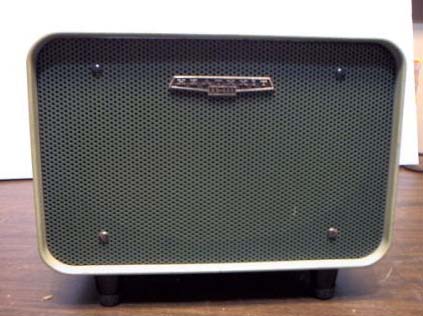
SB-600 speaker/power supply enclosure kit: $18.95
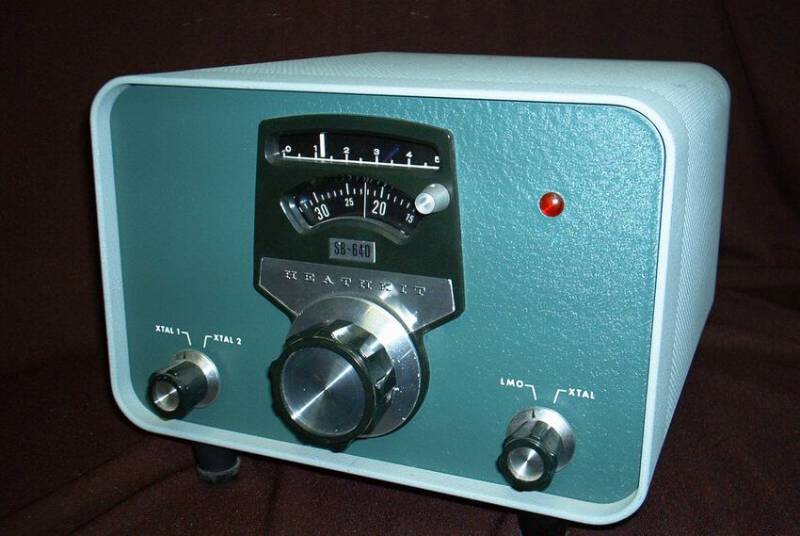
SB-640 external LMO (provided equivalent of split or RIT/XIT operation): $99.00
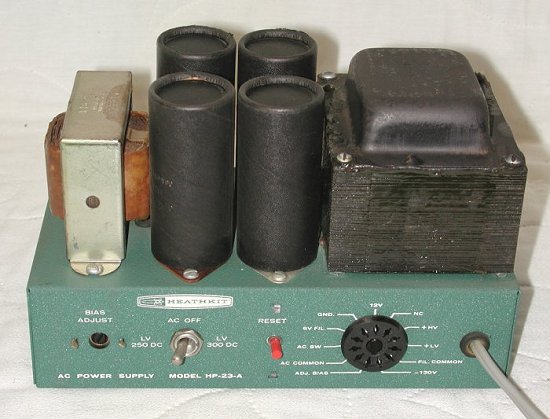
HP-23 AC supply: $49.95
HD-10 keyer (there was no keyer inside the SB-101): $39.95
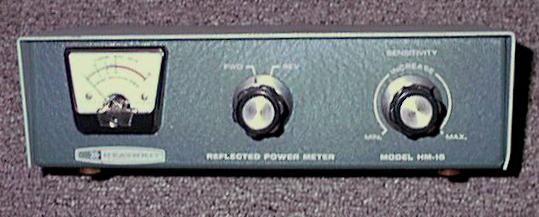
HM-15 SWR meter (there was no SWR meter inside the SB-101): $14.95
HDP-21A Microphone (no mic was included in the SB-101): $29.40
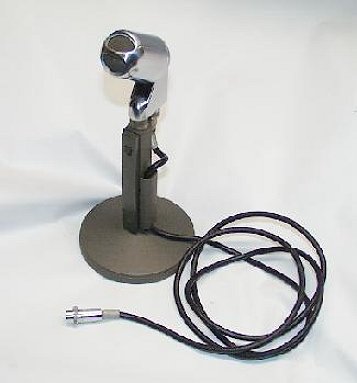
Total: $643.15 (KIT price)
Equivalent price in 2023 (from The
Inflation Calculator): $5531.09
Now, you wouldn't pay $5531.09 today for a rig exactly like the SB-101. The point is that to get a top end kit in 1968 would hurt your wallet as badly as buying anything today for $5531.09. You can imagine what it felt like as a teenager working for $25/week as a busboy at a local restaurant, and trying to save up for ham equipment! Even the less expensive HW-101 took 10 weeks of work to be able to afford.
If you add in the available options, it gets even worse:
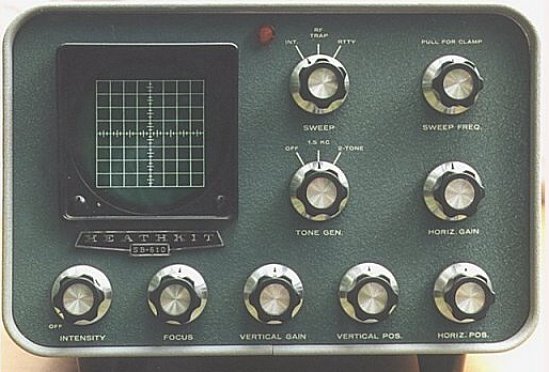
SB-610 Signal monitor: $69.95
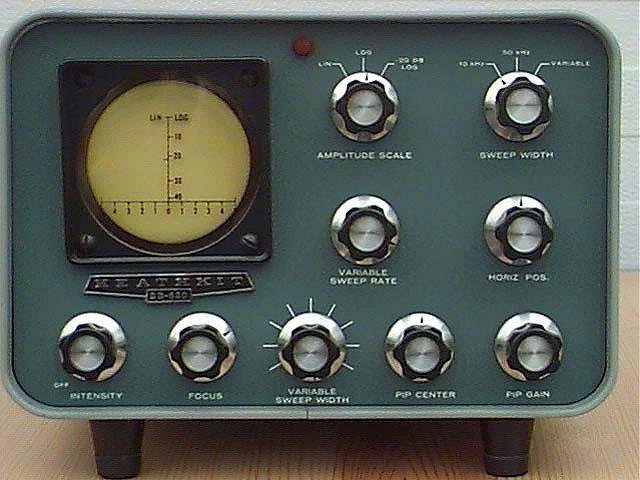
SB-620 Spectrum analyzer: $119.95
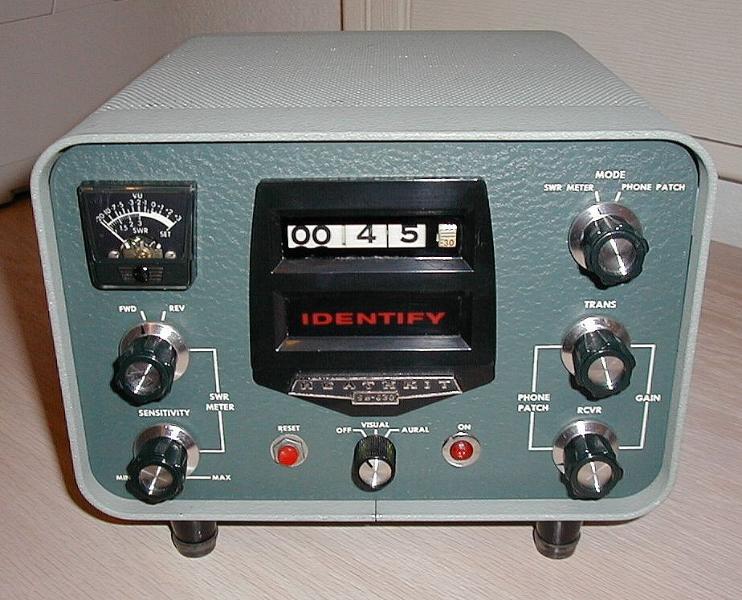
SB-630 Station console: $74.95
Total: $264.85
Equivalent price in 2023: $2277.71
Grand total (1968): $908.00 (2023):
$7808.80
Let's not even look at kilowatt amps!
Now let's look at some of the non-kit competition to the SB-101:
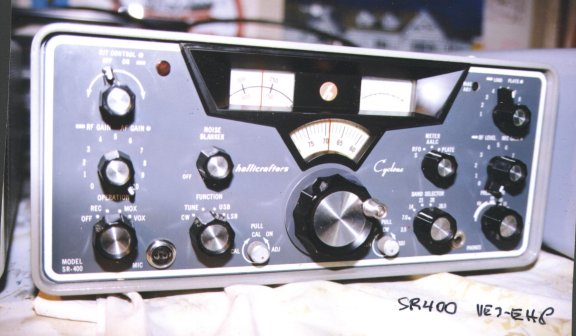
Hallicrafters SR-400 Cyclone, 400W PEP input, RIT, 200 Hz CW filter, notch, NB:
$799.95
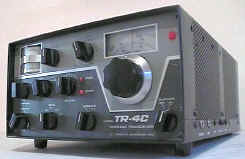
Drake TR-4, 300W PEP input, no RIT/XIT or split, no NB, no notch: $599.95
Collins KWM-2, 175W PEP, no notch, no RIT/XIT or split: $1150 + $135 NB =
$1285.00
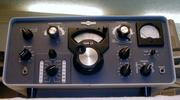
As you can see, Heathkit offered a rig comparable in styling and feature set to the Collins KWM-2 for about 1/2 the price. But it was roughly comparable in price to the other preassembled rigs. Yet hams bought them by the thousands. Why? Because it was FUN. Because they could LEARN. Because they could be unafraid to modify the rig since they understood the purpose of every screw, every nut, every PC board. These qualities are the reason why people still build kits today.
Heathkit is a registered trademark of The Heathkit Co., Inc.
Heathkit photos from Nostalgic Kit
Central